

Cupping Therapy Gallery
$$MultiPurposeText$$
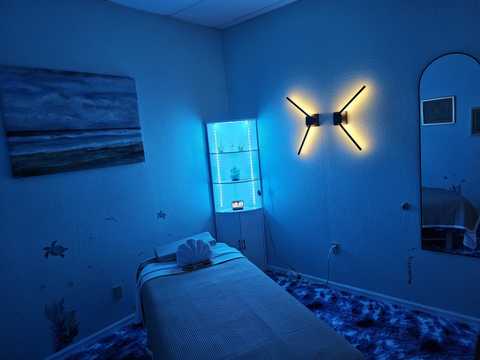
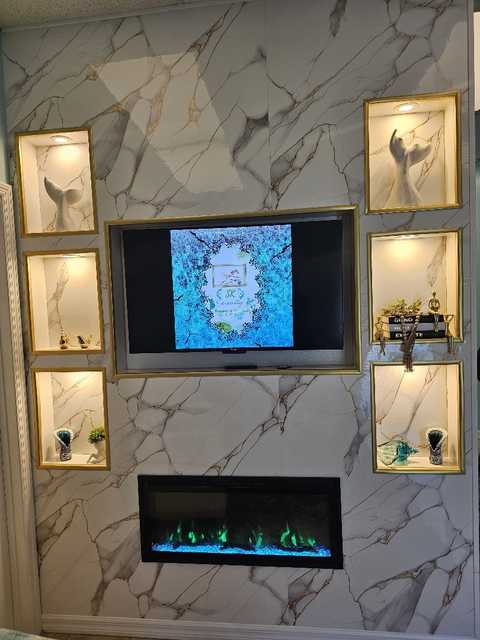
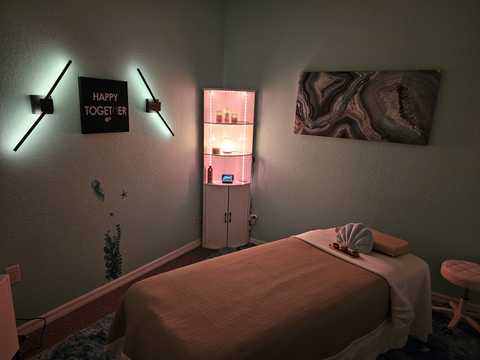
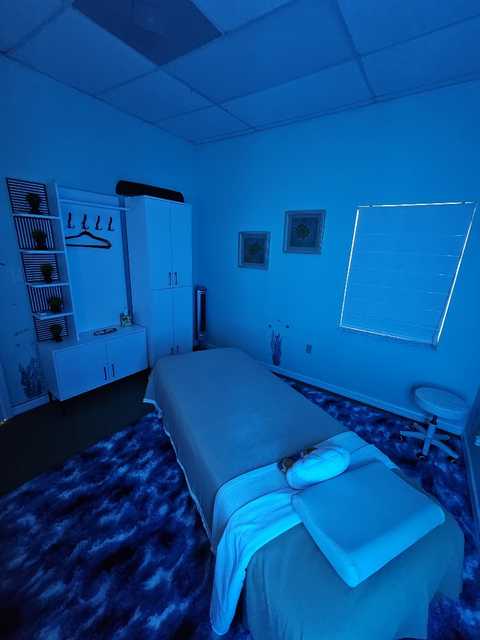
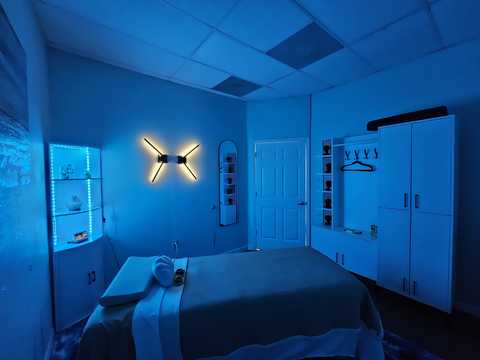
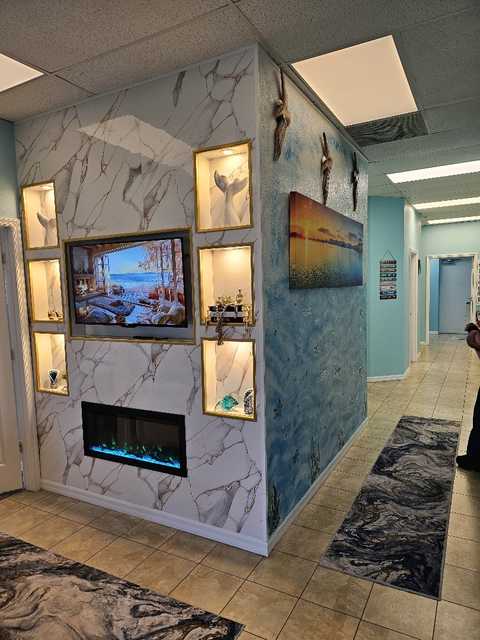
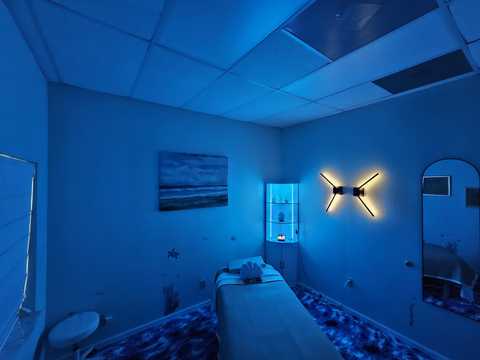
See examples of our Cupping Therapy work and results.



What Our Clients Say
$$MultiPurposeText$$
Read testimonials from our satisfied customers

The atmosphere & knowledge of the staff & massuese made such a difference in my day! I ca...more

I have seen Orlando and Daisy for massage therapy. Both are absolutely phenomenal. They ar...more

DAISY MASSAGE WAS THE BEST I HAVE EVER HAD!!!

Customer service was awesome. Serginha even made me a Ryze coffee witch was better than i ...more

Daisy did a wonderful job on my wife and I. Well definitely be coming back for some more s...more

I had a wonderful experience at SK Serenity Massage & Wellness. From the moment I walked i...more

Frequently Asked Questions
Get answers to common questions about Cupping Therapy.
Most clients feel gentle pulling and warmth as cups create mild suction. Sensations range from relaxing to slightly intense when addressing tight spots. Discomfort is brief; therapists adjust suction for comfort and will explain sensations before and during the add-on.
Yes, temporary circular marks or mild bruising are common and indicate increased circulation. They typically fade within three to ten days depending on intensity and your circulation. Hydration, rest, and gentle movement help recovery; follow therapist aftercare recommendations.
We screen clients during consultation; cupping may be contraindicated for certain conditions like bleeding disorders, pregnancy (on some areas), skin infections, or recent surgery. Bring a list of medications and medical history so your therapist can tailor the add-on or recommend alternatives if needed.
Yes, cupping is offered as an add-on within your massage time and pairs well with most modalities. Your therapist will assess suitability and integrate cupping where beneficial, adjusting placement and duration to complement your treatment goals and comfort level.
Arrive hydrated and avoid heavy meals or alcohol beforehand. Wear comfortable clothing and disclose skin issues, medications, or recent treatments. Avoid applying lotions to target areas; your therapist will cleanse skin and explain aftercare to ensure optimal results and safety.
Cupping can cause temporary soreness, light bruising, or skin discoloration; these resolve within days to two weeks. Serious complications are rare when performed by trained therapists. Discuss concerns and prior reactions with your therapist so suction intensity and placement can be safely adjusted.