

Deep Tissue Massage - 90 Mins Gallery
$$MultiPurposeText$$
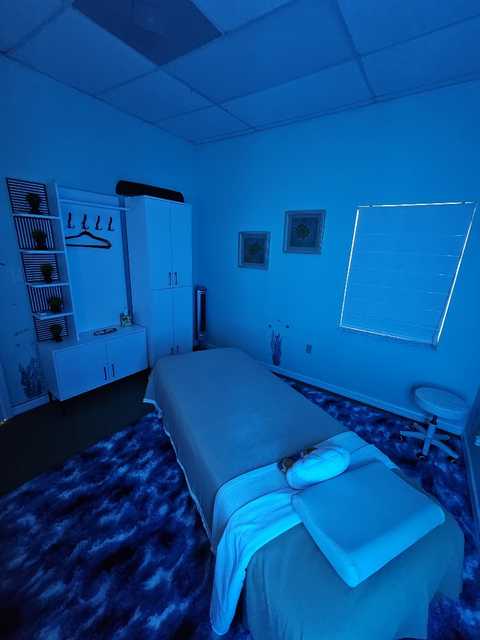
See examples of our Deep Tissue Massage - 90 Mins work and results.















What Our Clients Say
$$MultiPurposeText$$
Read testimonials from our satisfied customers

I have seen Orlando and Daisy for massage therapy. Both are absolutely phenomenal. They ar...more

DAISY MASSAGE WAS THE BEST I HAVE EVER HAD!!!

Customer service was awesome. Serginha even made me a Ryze coffee witch was better than i ...more

I had a wonderful experience at SK Serenity Massage & Wellness. From the moment I walked i...more

I honestly can’t say enough good things about my experience. From the moment I walked in, ...more

One of the best massages I’ve ever had. They got me in super quickly & are very nice. Will...more

Frequently Asked Questions
Get answers to common questions about Deep Tissue Massage - 90 Mins.
Some pressure and discomfort can occur while therapists work deep muscle layers, but we adjust intensity to your tolerance. Communicate with your therapist; post-treatment soreness is normal and typically subsides within 24–72 hours with hydration and gentle movement.
Arrive hydrated, avoid heavy meals, and wear comfortable clothing. Share medical history, pain areas, and pressure preferences with your therapist. Arrive five to ten minutes early to complete any intake forms and discuss goals for the ninety-minute deep tissue session.
Athletes, people with chronic muscle tightness, desk workers, and those recovering from repetitive strain benefit most. This intensive ninety-minute treatment targets deep layers to release adhesions, improve mobility, and reduce persistent pain when performed by experienced therapists.
Yes. The focused pressure and friction work to break up scar tissue and adhesions, enhance circulation, and reduce inflammation, supporting faster muscle recovery and improved performance after intense training or competition.
Frequency depends on goals and condition severity. For chronic tightness or athletic recovery, weekly treatments for four to six weeks are common, then transition to biweekly or monthly maintenance based on progress and therapist recommendations.
Yes. Active infections, recent fractures, blood clots, uncontrolled hypertension, certain skin conditions, or pregnancy complications may contraindicate treatment. Disclose health history; therapists will modify, postpone, or decline treatment when necessary for safety.