

Pregnancy Massage - 60 Mins Gallery
$$MultiPurposeText$$
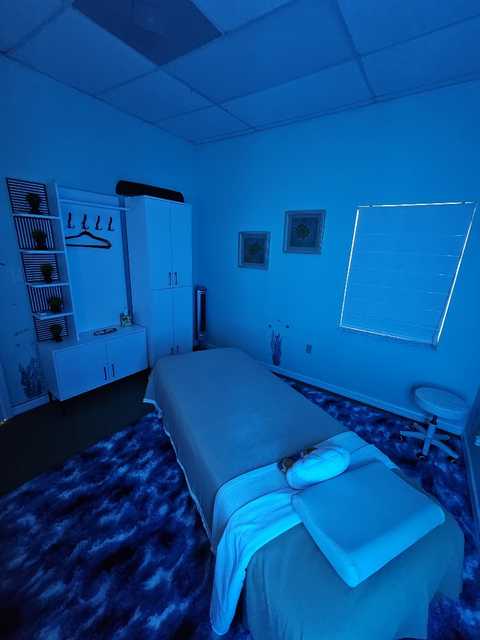
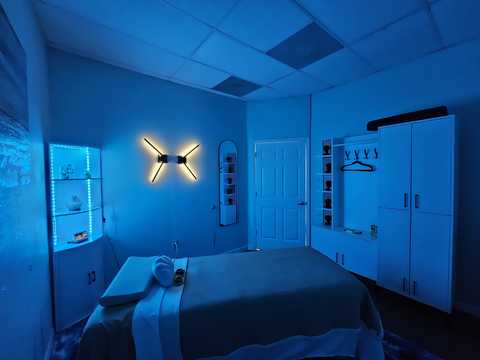
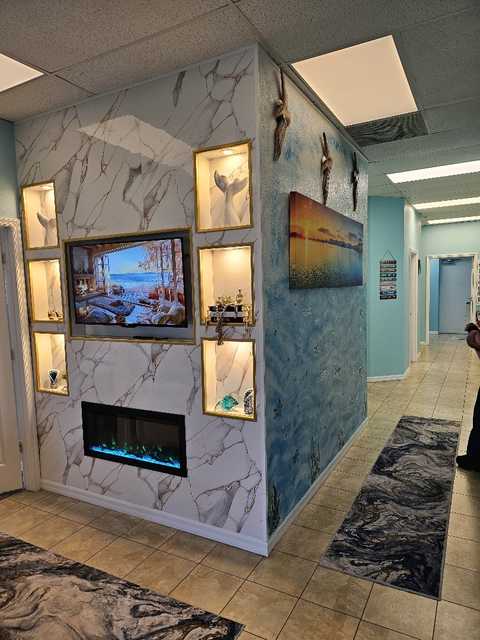
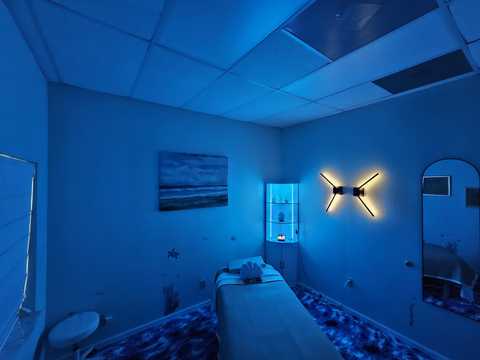
See examples of our Pregnancy Massage - 60 Mins work and results.
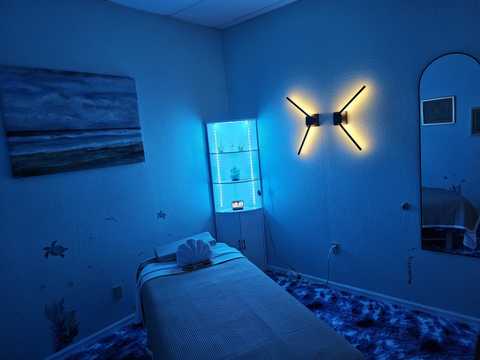
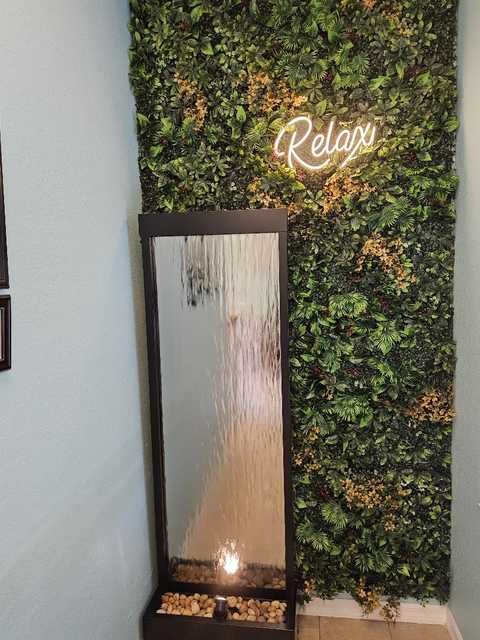
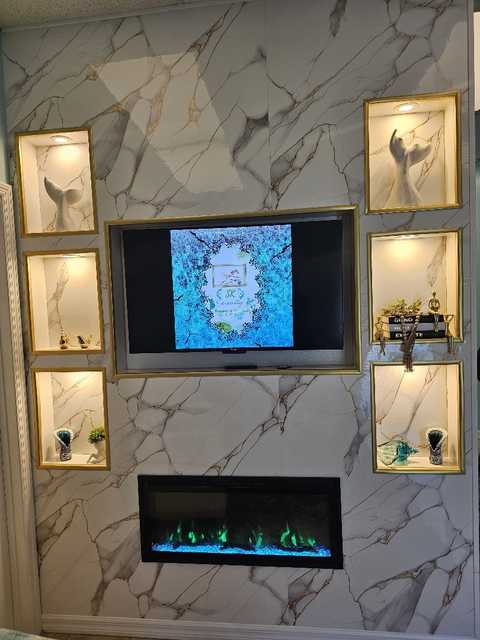
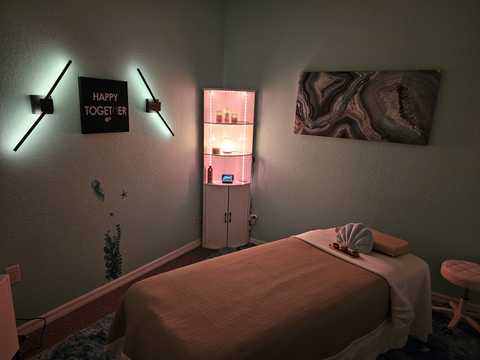
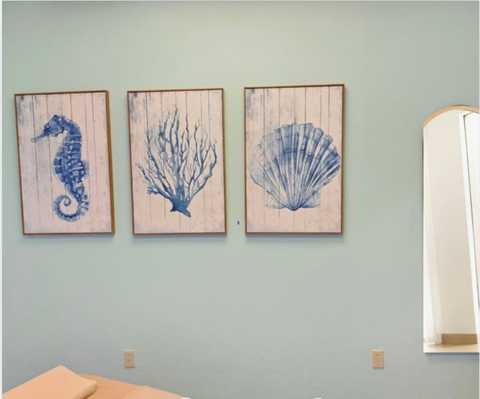

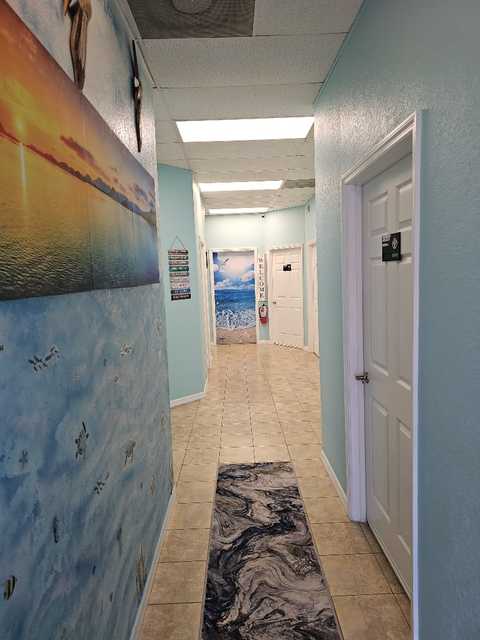
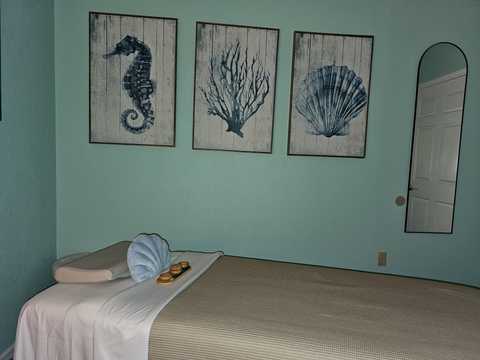


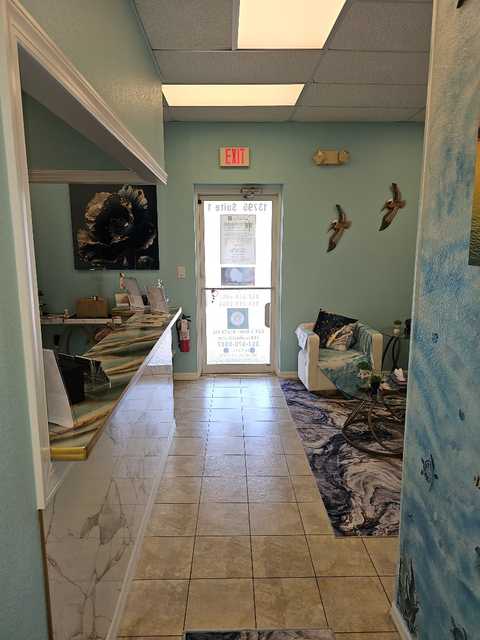

What Our Clients Say
$$MultiPurposeText$$
Read testimonials from our satisfied customers

I have seen Orlando and Daisy for massage therapy. Both are absolutely phenomenal. They ar...more

DAISY MASSAGE WAS THE BEST I HAVE EVER HAD!!!

Customer service was awesome. Serginha even made me a Ryze coffee witch was better than i ...more

I had a wonderful experience at SK Serenity Massage & Wellness. From the moment I walked i...more

I honestly can’t say enough good things about my experience. From the moment I walked in, ...more

One of the best massages I’ve ever had. They got me in super quickly & are very nice. Will...more

Frequently Asked Questions
Get answers to common questions about Pregnancy Massage - 60 Mins.
Prenatal massage is generally safe throughout pregnancy when performed by a trained therapist using pregnancy-specific techniques. For high-risk conditions or complications, obtain clearance from your provider before booking; we always review medical history and adjust treatment accordingly for safety.
We use side-lying with bolsters, semi-reclined cushions, or specially designed pregnancy pillows to relieve pressure on the abdomen and uterus. Your comfort guides positioning, and therapists change supports as needed to access targeted areas while keeping you safe and relaxed.
Share your due date, medical history, recent exams, medications, and any pregnancy complications like preeclampsia or placenta concerns. Mention areas of discomfort and past injuries. This helps the therapist tailor pressure, avoid contraindicated techniques, and ensure a safe, effective session.
Yes. Gentle, pregnancy-adapted techniques focus on relieving lumbar and pelvic tension, improving circulation and muscle flexibility. Regular sessions can decrease pain intensity and improve daily function. Therapists use careful pressure and positioning to avoid strain while addressing the root causes of discomfort.
Certain conditions—uncontrolled high blood pressure, blood clots, active vaginal bleeding, or placenta complications—may preclude massage. Always consult your obstetrician for risk concerns. We perform intake screening and will request medical clearance when necessary to protect mother and baby.
Yes. Light lymphatic techniques and elevation during treatment encourage fluid movement and decreased edema. Combined with at-home recommendations—hydration, gentle movement, and occasional elevation—massage can meaningfully lessen swelling and improve comfort for many pregnant clients.